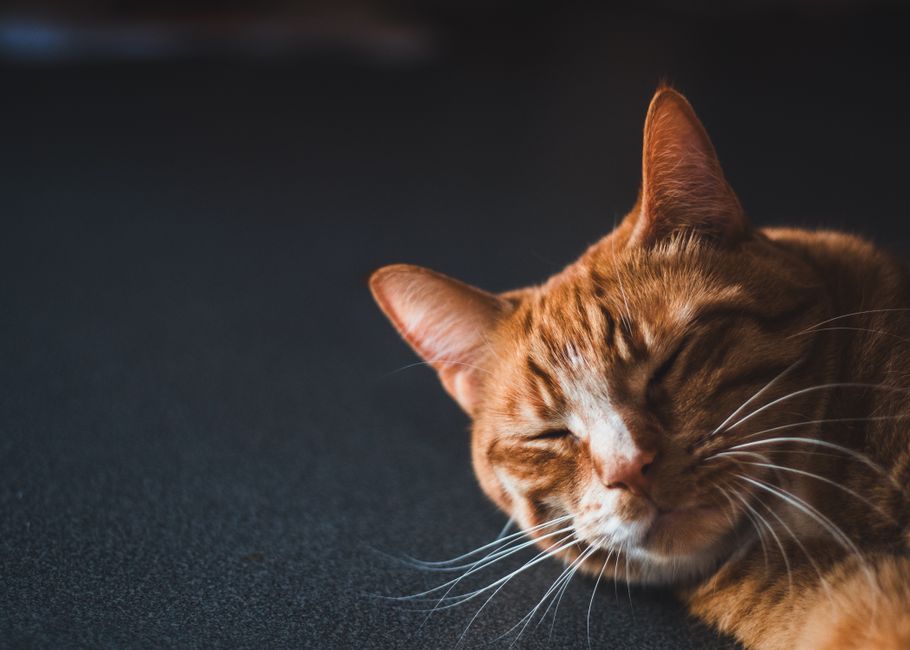
A purring cat sounds like a tiny motor. The sound comes from muscles in the cat's throat that flutter super fast — around 25 to 150 wiggles every second — while the cat breathes in and out.
Here is the puzzle: cats do not only purr when they are happy. They also purr when they are hungry, scared, or even hurt. Some scientists think purring is like a cat's all-purpose message that means "keep things calm." Others think the gentle rumble may even help cats feel better when they are sore, like a built-in comfort machine.
Kittens start purring when they are just a few days old, before their eyes even open. It helps their mother find them at feeding time — a secret code between cat families.
Next time a cat purrs on your lap, listen closely: you are hearing one of the animal world's oldest mysteries, and scientists are still working on the answer.